

Harnessing AI and VR in Energy Sector Training: Best Practices and Pitfalls
Forget outdated training methods that drain time and yield poor results. Your teams deserve AI in energy training that sharpens skills faster and VR learning in energy that puts them in real-world scenarios without risk. This post reveals VR training best practices and the pitfalls to avoid—arming you with the insights needed to lead energy sector education into the future. Ready to harness immersive training solutions that truly deliver? Learn more about the potential of AI and VR in the energy industry with this white paper.
Best Practices for AI in Energy Training
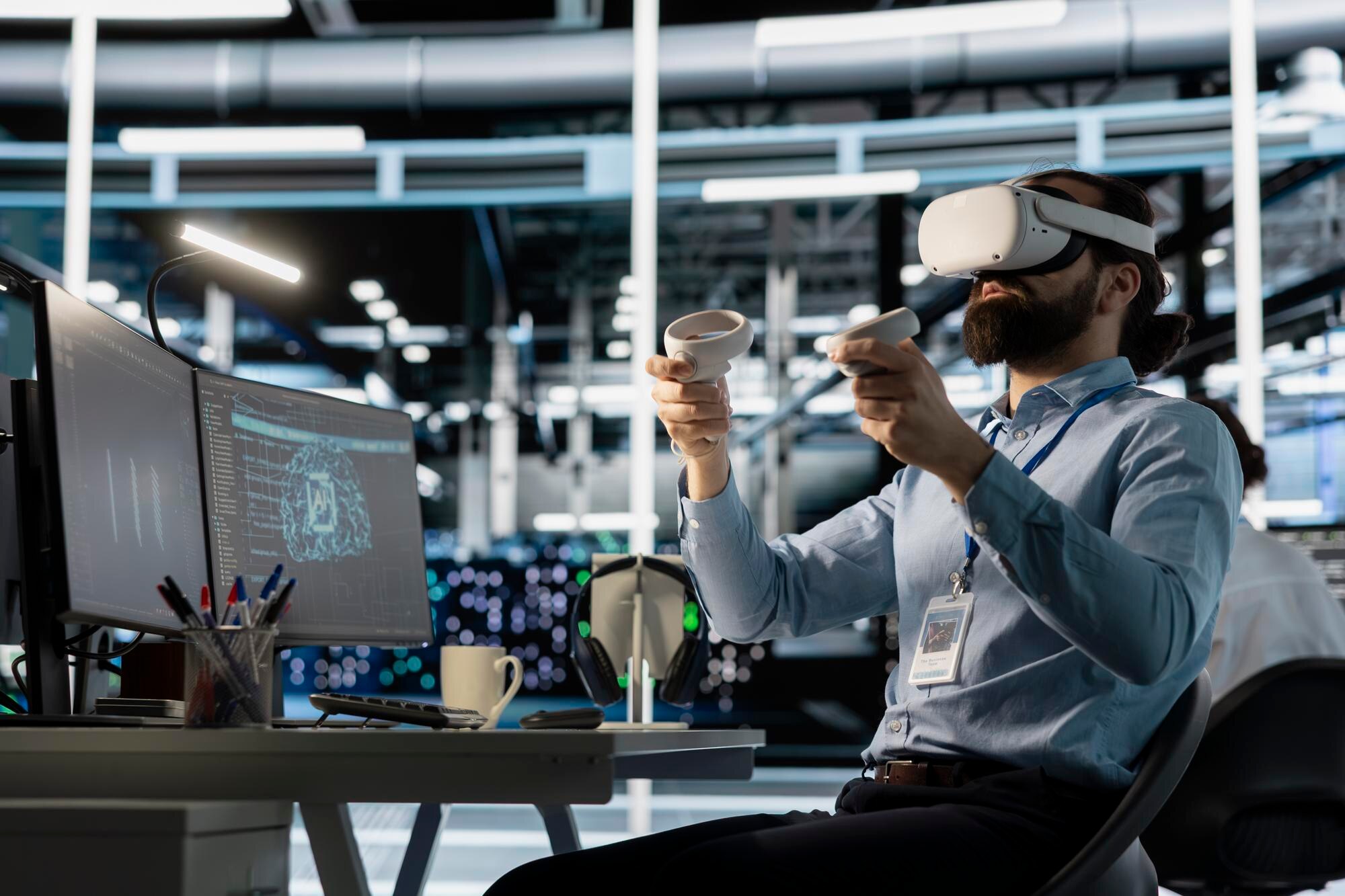
In today’s rapidly changing landscape, integrating AI in energy training can significantly enhance learning outcomes. Let’s dive into how you can harness this technology to revolutionise your training processes.
Personalised Learning Paths
Imagine a learning journey tailored just for you. AI offers personalised learning paths that adapt to individual needs and pace. This specificity ensures that you’re not just learning—you’re mastering relevant skills.
-
Tailored Content: AI analyses your strengths and areas for growth, providing content that fits your unique learning needs.
-
Adaptive Challenges: As you progress, AI adjusts the difficulty, ensuring you’re always challenged yet not overwhelmed.
With personalised pathways, you not only stay engaged but also see real progress. Most people stick to generic training, but this innovative approach ensures every second counts.
Real-Time Feedback Benefits
Feedback is crucial, but waiting for it can slow your progress. With AI, feedback is instant. This immediate response allows you to correct mistakes on the fly, reinforcing learning and boosting retention.
-
Instant Corrections: AI identifies errors as they happen, guiding you to the right solutions.
-
Progress Tracking: Keep an eye on your development with real-time analytics that show where you excel and where you need more focus.
Incorporating AI into your training strategy not only speeds up the learning process but also makes it more precise and effective.
VR Training Best Practices

Transitioning from AI to VR, let’s explore how virtual reality can create immersive learning experiences that redefine energy sector training.
Simulating Real-World Scenarios
VR transports you to real-world scenarios, offering hands-on practice without the risks. This method is invaluable in high-stakes environments like energy.
-
Authentic Environments: VR recreates the exact conditions you’ll face, providing realistic practice grounds.
-
Interactive Learning: Engage with virtual tools and challenges, making learning active and memorable.
By immersing yourself in these simulations, you build confidence and competence in a safe setting, ready for the real world.
Safety First: Risk-Free Learning
Safety is a top priority in the energy sector. VR ensures you can practice complex tasks without any risk. There’s no fear of costly mistakes or dangerous situations.
-
Mistake-Friendly Zones: Learn at your own pace, knowing errors won’t have real-world consequences.
-
Comprehensive Training: From handling equipment to emergency responses, VR covers all bases safely.
This approach not only prepares you better but also instills a sense of security and readiness for actual operations.
Pitfalls to Avoid in Digital Training

While digital tools offer countless benefits, they’re not without potential pitfalls. Awareness is key to avoiding common mistakes and ensuring successful implementation.
Overreliance on Technology
Technology is a powerful aid, but it shouldn’t overshadow human insight. Relying solely on digital solutions can lead to gaps in understanding and decision-making.
-
Balanced Approach: Combine digital tools with human expertise to get the best of both worlds.
-
Critical Thinking: Encourage questioning and analysis beyond what the technology presents.
By maintaining a balance, you ensure technology serves as an enhancement, not a replacement.
Ignoring Human Element in Training
Training isn’t just about data and simulations—it’s about people. Forgetting the human element can make training less effective and engaging.
-
Interactive Sessions: Blend digital learning with interactive discussions and peer collaboration.
-
Empathy and Support: Recognise individual challenges and provide support beyond technical training.
By focusing on the human side, you create a more holistic, effective learning experience that truly empowers.
🌍🔋
GeoModes stands at the forefront of these innovative training methods, offering solutions tailored to the unique demands of the energy industry. Embrace these strategies and transform your training into a powerful tool for growth and success. For further reading, check out this comprehensive study on AI applications in energy.