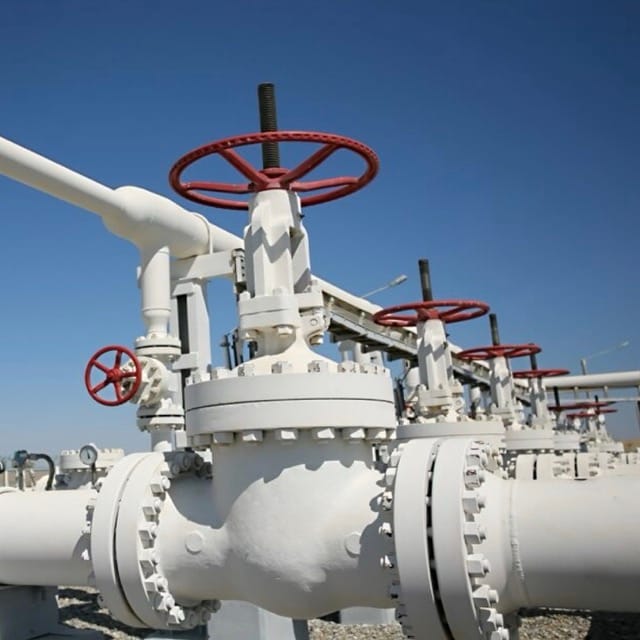
Enhanced Oil Recovery Technologies
code: D5
format: Virtual course
duration: 3 days
level: Advanced
accreditation: CPD
participants: 10

availability:

09/02/2026 9:00 am
European Central Time

$3,999.00

The “Enhanced Oil Recovery Technologies” course aims to equip participants with the knowledge and skills necessary to implement and optimize enhanced oil recovery (EOR) techniques across various reservoir types. Attendees will explore the definitions, classifications, and mechanisms of EOR methods, with a focus on how these technologies can be applied to meet the challenges of modern oil extraction.

The course begins with an introduction to different EOR processes, including thermal, gas injection, and chemical techniques, followed by an in-depth exploration of reservoir concepts and fluid properties critical for EOR success. Participants will then examine current and advanced EOR methods, including case studies that demonstrate the practical application of these techniques in real-world scenarios.


This course offers a unique opportunity for participants to dive deep into the innovative methodologies driving enhanced oil recovery (EOR) today. Participants will gain a comprehensive understanding of how to leverage these technologies, guided by recent advancements and field applications in the industry.

Special emphasis will be placed on understanding how different approaches can be integrated to tailor solutions specific to various reservoir conditions, ensuring participants are equipped with the tools necessary to optimize their operations.

The focus will be placed on the following key learning points:

  • EOR Techniques: Explore the full spectrum of EOR, including thermal processes, gas injection, and advanced chemical processes to enhance oil mobilization.
  • Data Analytics: Learn to leverage data analytics and reservoir characterization techniques to assess and optimize EOR effectiveness tailored to reservoir conditions.
  • Real-World Applications: Engage in case studies that highlight successful EOR implementations, fostering critical thinking and problem-solving skills

At the end of this training course, participants will be able to:

  • Articulate core EOR principles and identify the most suitable methods for various reservoir scenarios, making informed decisions aligned with economic goals.
  • Develop and optimize EOR models using advanced data analysis techniques, enhancing their predictive capabilities and improving recovery rates.
  • Communicate findings effectively to stakeholders, presenting strategies and insights that drive project management and strategic decision-making.

DAY 1

Morning SessionsDifferent EOR Processes and Screening Criteria


Module 1 : Introduction to EOR Methods

  • Definition of Enhanced Oil Recovery (EOR)
  • Classification of EOR methods (thermal, gas, chemical, etc.)
  • Overview of EOR application scenarios
  • Key mechanisms involved in EOR techniques
  • Importance of selecting appropriate EOR methods for specific reservoirs
  • Case Study: Weyburn-Midale CO₂ Project, Canada


Module 2 : Reservoir Concepts and Screening Criteria

  • Reservoir rock properties (porosity, permeability, etc.)
  • Fluid properties (viscosity, density, etc.)
  • Screening criteria for selecting EOR methods
  • Mobility Ratio (M) and Capillary Number (Nc) analysis
  • Challenges and limitations faced in EOR selection
  • Case Study: Teapot Dome Field, Wyoming, USA


Afternoon Session –  Reservoir Fluid Properties and Characterization


Module 3 : Reservoir Characterization for EOR

  • Basic reservoir concepts and definitions
  • Importance of rock and fluid characterization
  • Advanced techniques for reservoir characterization (e.g., core analysis)
  • Methods for determining fluid properties relevant to EOR
  • Data interpretation for better EOR outcomes
  • Case Study: North Sea Brent Crude Oil Fields


Module 4 : Water Flooding and Polymer Flooding

  • Water flooding principles and displacement theory
  • Design requirements for successful water flooding
  • Types of polymers and their properties in EOR
  • Mobility ratio considerations in polymer flooding
  • Field application case studies of polymer flooding
  • Case Study: Daqing Oil Field, China


DAY 2

Morning SessionsCurrent Chemical and Miscible EOR Techniques


Module 5: Alkaline/Polymer and ASP Flooding

  • Overview of alkaline/polymer flooding mechanisms
  • ASP flooding processes and operational challenges
  • Case study: Daqing, China – Results and insights
  • Case study: Kentucky, USA – Results and insights
  • Importance of flexibility in applying chemical methods
  • Case Study: Kentucky’s DNR EOR Project, USA


Module 6 : Miscible Gas EOR Techniques

  • Overview of miscible gas injection techniques
  • CO₂ miscible flood processes and considerations
  • Laboratory methodologies for determining MMP
  • Comparison of miscible vs. immiscible processes
  • Practical field applications of gas EOR techniques
  • Case Study: SECARB Project, Illinois, USA


Afternoon SessionsCurrent and Advanced Thermal EOR Processes


Module 7 : Thermal EOR Overview

  • Fundamentals of thermal recovery processes
  • Steam injection techniques: cyclic vs. continuous methods
  • Operational challenges and considerations in thermal EOR
  • Energy requirements and sustainability aspects
  • Field case studies demonstrating successful thermal applications
  • Case Study: Athabasca Oil Sands, Canada


Module 8: Advanced Thermal Techniques

  • SAGD techniques and operational requirements
  • In-situ combustion methods: forward and backward processes
  • Toe-to-Heel Air Injection (THAI) and CAPRI processes
  • Steam-CO₂ hybrid EOR techniques and field applications
  • Case studies illustrating advanced thermal methods
  • Case Study: Foster Creek, Canada


DAY 3

Morning Sessions – Other Advanced EOR Processes


Module 9: Microbial and Enzymatic EOR (MEOR and EEOR)

  • Overview of Microbial Enhanced Oil Recovery (MEOR) mechanisms
  • Enzyme Enhanced Oil Recovery (EEOR) principles and benefits
  • Challenges and considerations for biological EOR methods
  • Case studies showcasing successful applications of MEOR and EEOR
  • Future potential and research directions in biological EOR
  • Case Study: Harmattan Field, Canada


Module 10: Advanced and Hybrid EOR Technologies

  • Low Salinity Water (LSW) flooding mechanisms and benefits
  • Pulsed water flooding and its impact on oil recovery
  • Seismic, Electric, and Electromagnetic heating methods in EOR applications
  • Overview of next-generation hybrid EOR processes (e.g., CO₂-thermal applications)
  • Practical considerations for implementing advanced EOR strategies in the field
  • Case Study: Cold Lake Oil Sands, Canada


Afternoon SessionsData-Driven Future Trends


Module 11: Digital and Data-Driven EOR Technologies

  • Overview of digital oilfield solutions and their application in EOR
  • Data analytics, ML, and AI for optimizing EOR processes
  • Real-time monitoring and adaptive control strategies for enhanced recovery
  • Case Study: Optimization of Thermal EOR in the Permian Basin Using AI and Real-Time Monitoring


Module 12: Future Trends and Next-Generation EOR Technologies

  • Emerging EOR methods under research and development (e.g., electromagnetic methods, nanotechnology, smart fluids)
  • Integration of renewable energy sources and sustainability into EOR workflows
  • Regulatory, environmental, and economic considerations for next-generation EOR deployment
  • Vision for the future: innovation pathways and industry adaptation strategies
  • Case Study: R&D Pilot for Nanotechnology-Enhanced Chemical EOR in a Heavy Oil Field in Canada

related courses

Get in Touch

whatever your query is, we are here to help.
simply fill out your details and submit with one click.

Alternatively please use our email below to get in touch with us.

Email: [email protected]

make enquiry

Enhanced Oil Recovery Technologies

If you would like to request the course outline, find out the next available time slot or you have any other inquiry, please tell us more by filling up the form below.
Will be in touch with you as soon as we can.